Wind speed measurement sounds straightforward until you’re faced with a specification sheet, three different product series and a list of applications that don’t quite match your own.
Whether you’re managing a weather station, overseeing a construction site, or specifying instruments for an aviation or offshore environment, choosing the right wind speed transmitter matters more than most people realise.
Here’s what to consider before you buy.
Start with your environment
The single biggest factor in selecting a wind speed transmitter is where it’s going to live. A sensor deployed in a coastal or offshore setting faces salt spray, humidity and corrosion risks that simply don’t apply to an inland industrial site. Equally, high-altitude or polar deployments introduce the risk of icing – which can stop a mechanical cup anemometer in its tracks if it isn’t equipped with appropriate heating.
Look for sensors with anodised aluminium housings and labyrinth seals for harsh environments and always check whether electronically regulated heating is available or standard on the model you’re considering.
Understand the output you need
Wind speed transmitters come with different output signal types: analogue (voltage or current), frequency or digital (RS-422, RS-485, etc.).
The right choice depends entirely on what you’re connecting the sensor to: a data logger, a display unit, a process control system or an integrated meteorological network.
If you’re retrofitting a sensor into an existing system, check the input specification of your display or logger before you order. Mismatched outputs are one of the most common, and most avoidable, causes of installation headaches.
Consider accuracy requirements
Not every application needs the same level of precision. For general building control or environmental monitoring, a compact or small series sensor will typically meet requirements and offer good value. For wind energy site assessment or power performance testing of wind turbines, you’ll need a sensor certified to IEC 61400-12-1.
Be honest about what your application genuinely demands. Over-specifying adds cost without benefit; under-specifying can compromise data quality or fail to meet regulatory requirements.
Think about mounting and integration
How and where the sensor mounts is a practical consideration that’s easy to overlook at the specification stage. Mast tube mounting is standard for most meteorological and industrial applications, but ship-borne deployments – where true wind calculation requires integration with compass data – call for a different setup entirely.
If combined wind speed and direction measurement is needed, consider whether a combined transmitter makes more sense than two separate sensors. A single unit reduces cabling, simplifies installation and minimises the number of maintenance points.
Plan for the long term
A wind speed transmitter installed on a mast or rooftop isn’t easy to access, so reliability and low maintenance should weigh heavily in your decision. Look for sensors with sealed bearings, robust housings and a manufacturer that offers genuine technical support, not just a warranty document.
It’s also worth checking that spare parts and technical support are available for the lifetime of the instrument, particularly if you’re specifying for critical infrastructure where downtime has real consequences.
Senseca UK’s wind speed transmitter range
Senseca UK offers a range of wind speed transmitters designed for different applications and budgets – from the Small Series, suited to cost-sensitive general-purpose installations, through to the Compact and Classic Series for industrial and meteorological use and the First Class sensor for demanding wind energy applications where IEC accreditation is required.
If you’re unsure which sensor is right for your project, Senseca UK’s technical team is available to advise free of charge.
Browse the full wind speed transmitter range
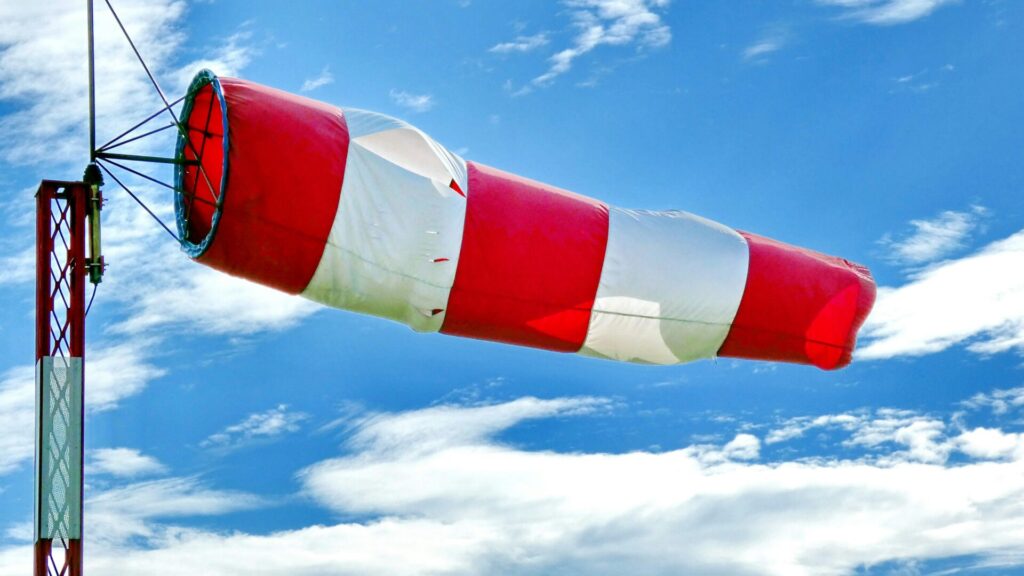
Photo by Mark König on Unsplash